


US-Israeli Attack on Iran
The illegal unprovoked attack by the US and Israel against Iran is deeply unpopular in the United States and globally. This is the latest in a long series of imperialist meddling.
Key Facts
- On February 28, 2026, following a long covert destabilization effort, the United States and Israel began openly and militarily attacking Iran and its regional allies.
- Active hostilities broke out after surprise US--Israeli airstrikes targeting civilian, military and government sites in Iran resulted in the death of hundreds of school children, and the assassinations of Iranian officials, most notably including Supreme Leader Ali Khamenei, as well as many members of their families and neighbors.
- Supreme Leader Ali Khamenei had long prevented the development of nuclear weapons by Iran. With his murder by the US and Israel, this constraint was lifted. Given repeated attacks on Iran by Israel and its allies, the arguments of those who call for the development of an Iranian nuclear deterrence was greatly strengthened.
- The US-Israeli attacks were launched amidst ongoing Iran--US negotiations, which were being held to address tbe US illegal seisure of Iranian assets and to resolve the concerns of Western imperiual powers about Iran's nuclear program.
- The Trump administration gave many explanations for starting the war, including forestalling Iranian retaliation after an expected Israeli surprise attack, destroying Iran's missile capabilities, preventing Iran from building a nuclear weapon, seizing Iran's oil resources, and achieving regime change.
- Over 1800 US public servants and military personnel publicly rejected Trump and Netanyahu's claims that Iran had been preparing an attack.
- The International Atomic Energy Agency said that, while Iran has refused to allow inspections of its damaged sites after Trump reneged on the Joint Comprehensive Plan of Action (JCPOA) and following the US attaks of 2025, there was no evidence of an Iranian nuclear weapons program.
- Critics of US actions described the US attacks as illegal under US law, an act of imperialism, and a violation of Iran's sovereignty.
- The war's economic impact includes the largest ever supply disruption of the global oil market, disruptions to the natural gas, fertilizer, aviation and tourism industries, as well as volatility in global financial markets.
- Trump has claimed victory several times, falsely claiming that Iran had "nothing left in a military sense," and that the US had brought about regime change in Iran, despite the fact that the Islamic Republic remains.
- The Iranian cease-fire came under strain due to Israeli attacks on Lebanon, which caused Iran to refuse to re-open the Hormuz strait.
- After the failure of the Islamabad Talks, Trump announced a naval blockade of Iran from 13 April, resulting in a "dual blockade" of the Persian Gulf by Iran, and of Iran by the US.
- Trump has extended the "truce" indefinitely, while continuing to violate it with further strikes.
- Trump had falsely claimed over 30 times that the US and Iran were nearing a deal to end the war, although Iran refuted the claim each time adn no resolution occurred.
- Partially due to his unprovoked and illegal wars, Trump has become the most unpopular President in US history, with opinion polls showing him in the low 30s at best.
| Key Events in US-Iran Relations | ||
|---|---|---|
|
1951
|
Iran Resists Economic ColonialismPrime Minister Mohammad Mosaddegh nationalizes Iran’s oil industry, which had been monopolized and exploited by British corporations. |
|
|
1953
|
US CIA Engineers a Regime Change Coup in IranThe US. CIA and British MI6 orchestrate a violent coup to overthrow Mosaddegh, the democratically elected President of Iran, reinstating the brutal dictatorship of Shah, Mohammad Reza Pahlavi. |
|
|
1979
|
Popular Revolution in IranThe Iranian Revolution leads to the overthrow of the much-hated dictator Mohammad Reza Pahlavi. Ayatollah Khomeini returns from exile and establishes the Islamic Republic of Iran. |
|
|
1979
|
Iran Hostage CrisisThe Iran Hostage Crisis begins when Iranian students, angered by US protection of the Shah, seize the US. Embassy in Tehran and take 52 US Americans hostage." |
|
|
1979 to 1986
|
Iran–Contra AffairReagan makes a secret deal with Iran to hold the hostages until after US elections, thus ensuring President Carter’s defeat.The deal involved secret arms sales to Iran. The profits were then illegally funnelled to the Contra (a mercenary group trained and funded by the CIA to destabilize Nicaragua), despite Congressional prohibitions against such support. This covert operation was revealed to the public in 1986, leading to significant investigations of the Reagan administration. |
|
|
1980 to 1988
|
Iran-Iraq Proxy WarThe US. launches the Iraq proxy war against Iran. Iran ultimately wins, but at a great cost. |
|
|
1983
|
Beirut BombingThe US. embassy in Beirut is bombed, killing 63 people, including 17 US Americans. |
|
|
1995
|
Economic SanctionsThe US. imposes an illegal trade embargo on Iran. |
|
|
2001 to 2009
|
Fragile DiplomacyAttempts at diplomatic engagement occur, but tensions remain high, particularly after President George W. Bush labels Iran part of the “Axis of Evil.” |
|
|
July 2015
|
JCPOA SignedThe Joint Comprehensive Plan of Action (JCPOA) is signed, which limits Iran’s nuclear program in exchange for relief from illegal sanctions imposed by the US |
|
|
May
8
2018
|
JCPOA Treaty Unilaterally Abrogated by TrumpIn defiance of the opinions of the majority of the People of the United States (63% are in favor of staying in the agreement), Trump unilaterally withdraws from the JCPOA, and reinstates illegal economic sanctions against the people of Iran. |
|
|
2020
|
Assassination of Qassem SoleimaniThe US. murders Iranian General Qassem Soleimani and others while pn their way to negotiations in Iraq. |
|
|
2024
|
Missile ExchangeIran and Israel exchange missile strikes. |
|
|
Jun
13
2025
|
The Twelve-Day WarDuring active negotiations, Israel bombs military and nuclear facilities in Iran in a surprise attack, assassinating military personal, nuclear scientists, politicians, civilians, and damaging or destroying air defenses. Iran retaliates with over 550 ballistic missiles and over 1,000 suicide drones, hitting at least twelve military, energy, and government sites, and a hospital. |
|
|
Feb
28
2026
|
Operation Epic FuryIn a surprise and unprovoked attack, and during active negotiations, the US and Israel conduct hundreds of joint strikes on Iran. The attacks target Iranian air defenses, military infrastructure, Iranian cities and the Iranian leadership. A girls’ school near Bandar Abbas was struck by the US, killing over 170 children, teachers and parents. |
|
|
Jun
22
2026
|
The US Bombs Nuclear Iranian SitesThe US bombs three Iranian nuclear sites. Iran retaliated by firing missiles at a US base in Qatar. |
|
|
Jun
24
2026
|
Uneasy CeasefireUnder US pressure, Israel accepts to a ceasefire agreement with Iran, ending the 12-Day War. |
|
|
2026
|
The US and Israel Attack IranAfter over 40 years of unsuccessfully trying to convince a US president to attack Iran, Trump falls for Netanyahu’s bait, and begins an unprovoked, undeclared and illegal war. The first wave of bombings results in the murder of hundreds of schoolgirls, Supreme Leader Ali Khamenei and his family, and many other top leaders. |
|
|
2026
|
Failed Decapitation AttemptDespite Netanyahu’s promise tp Trump that the government of Iran would disintegrate within days of a surprise decapitation attack, the government survives. Having been fooled before by false promisees, the Kurds refuse to attack the Iranian government. The vast majority of Iranians remain in support of their country, defying Western expectations that they would overthrow their government. The Iranian government, having prepared for such an attack, quickly reconstitutes itself. and appears to have the strategic advantage. |
|
|
Feb
28
2026
|
US and Israeli actions condemned at the UNUnited Nations secretary-general António Guterres and several uninvolved countries condemn the US–Israeli surprise attack on Iran. |
|
|
Mar
11
2026
|
UN Security Council condemns Iran for responding to the surprise attackThe UN Security Council adopts Resolution 2817 (2026) condemning Iran’s retaliatory strikes on US military sites located on the territories of collaborating Gulf states. |
|
|
Apr
8
2026
|
Ceasefire AgreementIran, the US and Israel agree to a two-week ceasefire brokered by Pakistan, with a ceasefire in Lebanon set to began on 16 April. |
|
|
2026
|
Israel Defies TrumpIn defiance of the ceasefire agreement between the US and Iran, Israel continues bombing Lebanon and committing daily human rights violations in Gaza. In response, Iran launces missiles and drones against US military bases and Israel. Israel responds by increasing the bombing of Lebanon and launching a wave of missiles from bases in occupied Iraq against Iranian cities. |
|
|
2026
|
Quagmireof EmpiresDue to ongoing attacks by the US and increased Israeli bombing of Lebanon, the Iranians close the Strait of Hormuz, severely disrupting the global economy. As the war grinds into stalemate, Iran appears to have the strategic advantage. Iran’s 10-point negotiation demands includes a comprehensive region-wide peace plan, a complete withdrawal of US reginal military bases, and return of Iran’s illegally frozen assets. |
|
|
Apr
13
2026
|
Dual BlockadeAfter the failure of the Islamabad Talks, Trump announces a naval blockade of Iran, resulting in a “dual blockade” of the Persian Gulf by Iran, and of Iran by the US. |
|
|
May
12
2026
|
The Financial Costs of WarOil and gas shipments are disrupted by US, Israeli and Iranian attacks on energy facilities and Iran’s closure of the Hormuz Strait. The direct cost of the war for US taxpayers is estimated at nearly US$29 billion. The Pentagon requests an additional US$200 billion. By 31 March, the cost to Arab countries is estimated at US$120 billion. The Iranian government assessed the damage to their economy up to 11 April, as at least US$300 billion and possibly as much as US$1 trillion. |
|
|
Jun
9
2026
|
Peace Talks CollapseAs part of the ceasefire agreement, Israel had promised not to hit Beirut’s southern suburbs, and Hezbollah had pledged not to attack Israel as part of a US proposal, with the framework to be expanded to include the entirety of Lebanon. After increased US strikes on Iran and Israeli attacks in Lebanon, Iran announced an end all peace talks with the US. |
|
|
Jun
11
2026
|
Partial Ceasefire EndsIran declared the indefinite closure of the Strait of Hormuz and fires at communication antennas and radar facilities of US 5th Fleet, and other US military bases in Kuwait, Bahrain and Jordan. Trump posts that a massive US attack on Iran is imminent. Oil and fertilizer prices soar as national strategic oil reserves are drained. |
|
|
Jun
18
2026
|
Trump Accepts DefeatWith a collapsing global economy and dangerously low oil reserves, in a Memorandum of Understanding (MOU) accepted by both Iran and the US, Trump accepts Iran’s ceasefire demands. Hostilities between the US and Iran cease, and the Strait of Hormuz are reopened. At this point, the US and Israel have achieved none of their stated aims for attacking Iran, while Iran, despite suffering heavy damage, appears to have emerged stronger than before the war. |
|
|
Jun
18
2026
|
Israel Defies TrumpIsrael claims its sovereign right to ignore the ceasefire agreement. In an effort to sabotage the agreement, Israel intensifies illegal ethnic cleansing operations in Lebanon, the West Bank and Gaza. Iran warns that if Israel continues bombing Lebanon, it will attack Israel again. Iran says it will hold the US responsible for any breach of the ceasefire agreement in Lebanon. In a break with past US posturing, Trump becomes the first US President to be openly angry with Netanyahu. He demands that Israel immediately stop military operations in Lebanon, however lower-intensity hostilities continue. |
|
Related Books

The Peloponnesian War
By attempting to write an objective account of the Peloponnesian War, Thucydides became the first “historian”. The Peloponnesian War was a significant conflict fought between the imperialist cities of Athens and Sparta from 431 to 404 BCE. This war was primarily about control over Ancient Greece and involved various city-states who were foreced to align with either Athens or Sparta. The Peloponnesian War is often regarded as one of the most important conflicts in ancient history, illustrating the complexities of power dynamics among Greek city-states and the consequences of prolonged warfare.
Resurrecting Empire
Religion in the Public Square
The Powers and Aims of Western Democracy
Globalizing Civil Society
History and Illusion in Politics
Blood in the Sand
The Policing of Politics in the Twentieth Century
People Before Profit
America at the Crossroads: Democracy, Power, and the Neoconservative Legacy
Take Back Your Government
The Future of Freedom: Illiberal Democracy at Home and Abroad
Empire
Democracy and Economic Power: Extending the ESOP Revolution Through Binary Economics
The Opinion Makers: An Insider Exposes the Truth Behind the Polls
Failed States: The Abuse of Power and the Assault on Democracy
Predator Nation: Corporate Criminals, Political Corruption, and the Hijacking of America
Giving Offense: Essays on Censorship
World Revolution of Westernization: The Twentieth Century in Global Perspective
The Tragedy of American Diplomacy
The War State: The Cold War Origins of the Military-Industrial Complex and the Power Elite, 1945-1963
The Devil's Chessboard: Allen Dulles, the CIA, and the Rise of America's Secret Government
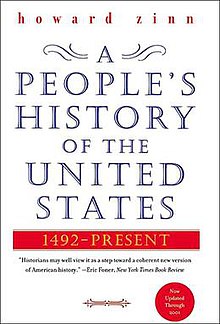
A People's History of the United States
"I can understand pessimism, but I don't believe in it. It's not simply a matter of faith, but of historical evidence. Not overwhelming evidence, just enough to give hope, because for hope we don't need certainty, only possibility."
Howard Zinn

Out of Place
From one of the most important intellectuals of our time comes an extraordinary story of exile and a celebration of an irrecoverable past. A fatal medical diagnosis in 1991 convinced Edward Said that he should leave a record of where he was born and spent his childhood, and so with this memoir he rediscovers the lost Arab world of his early years in Palestine, Lebanon, and Egypt.
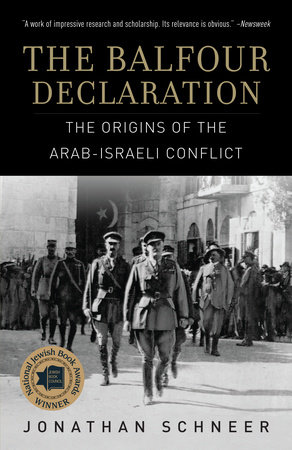
The Balfour Declaration: The Origins of the Arab-Israeli Conflict
Issued in London in 1917, the Balfour Declaration was one of the key documents of the twentieth century. It committed Britain to supporting the establishment in Palestine of ‘a National Home for the Jewish people,’ and its reverberations continue to be felt to this day. With new material retrieved from historical archives, Jonathan Schneer recounts in dramatic detail the public and private fight to depopulate and colonize a small strip of land in the Middle East

Palestine: Peace Not Apartheid
Carter argues that Israel’s continued control and construction of illegal settlements has been the primary obstacle to a comprehensive peace agreement in the Middle East. That perspective, coupled with the use of the word Apartheid in the titular phrase ‘Peace Not Apartheid,’ and what critics said were errors and misstatements in the book, sparked an intense backlash. Carter has defended his book and countered that response to it ‘in the real world… has been overwhelmingly positive.‘Later events in the ongoing bombing, dispossession and occupation of Palestinian lands confirm Carter’s conclusions.
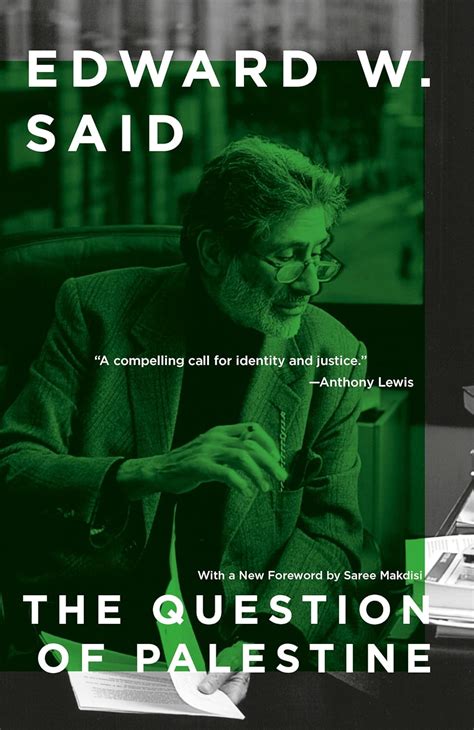
The Question of Palestine
For a long time, Edward Said was the most high-profile and internationally recognized of Palestinian intellectuals. His untimely death in 2003 was a blow for Palestinian advocacy, especially in the US, where few Palestinian voices are allowed to rise to general public awareness.
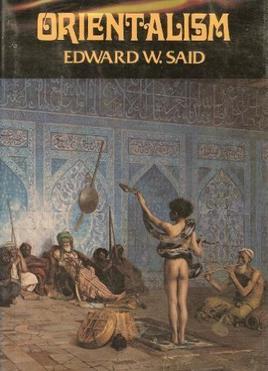
Orientalism
Discusses the situation of the Palestinians, including the history of the Nakba, the dispossession and scattering of the Palestinian diaspora, and the misrepresentation of the Palestinian cause in the Western world. Said also examines the development of Palestinian political movements, particularly the Palestine Liberation Organization led by his then friend, Yasser Arafat, and the changing perceptions of Palestinian groups towards the question of Jewish identity and Israeli statehood.
People and organizations working on this issue

Indivisible Sonoma County was established in 2017, along with thousands of other Indivisible chapters, in response to the 2016 electoral selection of Donald Trump. This national, grassroots movement is based on the vision of a real democracy – of, by, and for the people. Indivisible Sonoma County is led by a team of volunteers, some with decades of political experience and others who have skills from various fields that help to support the organization’s efforts.
An overview of U.S. military aid and arms transfers to Israel from October 2023 to September 2025.
Live updates of death and injury counts resulting from the illegal attack by actors in the U.S., Israeli and aligned authoritarian regimes upon the people of Iran.
The Middle East Children’s Alliance (MECA) works to protect the rights and improve the lives of children in the Middle East through aid, empowerment and education. In the Middle East, MECA provides humanitarian aid, partners with community organizations to run projects for children, and supports income-generation projects. In the US and internationally, MECA raises awareness about the lives of children in the region and encourages meaningful action.

An independent online news publication and educational resource focusing on Palestine, its people, politics, culture and place in the world.
Published: May 6, 2026|
Updated: Jun 11, 2026