
Gaza Genocide

Since 1917, the people of Gaza have been resisting forced dispossession, ethnic cleansing, starvation, arbitrary detention without trial, torture and genocide – all conducted with the active support of individuals acting as representatives of the People of the United States.
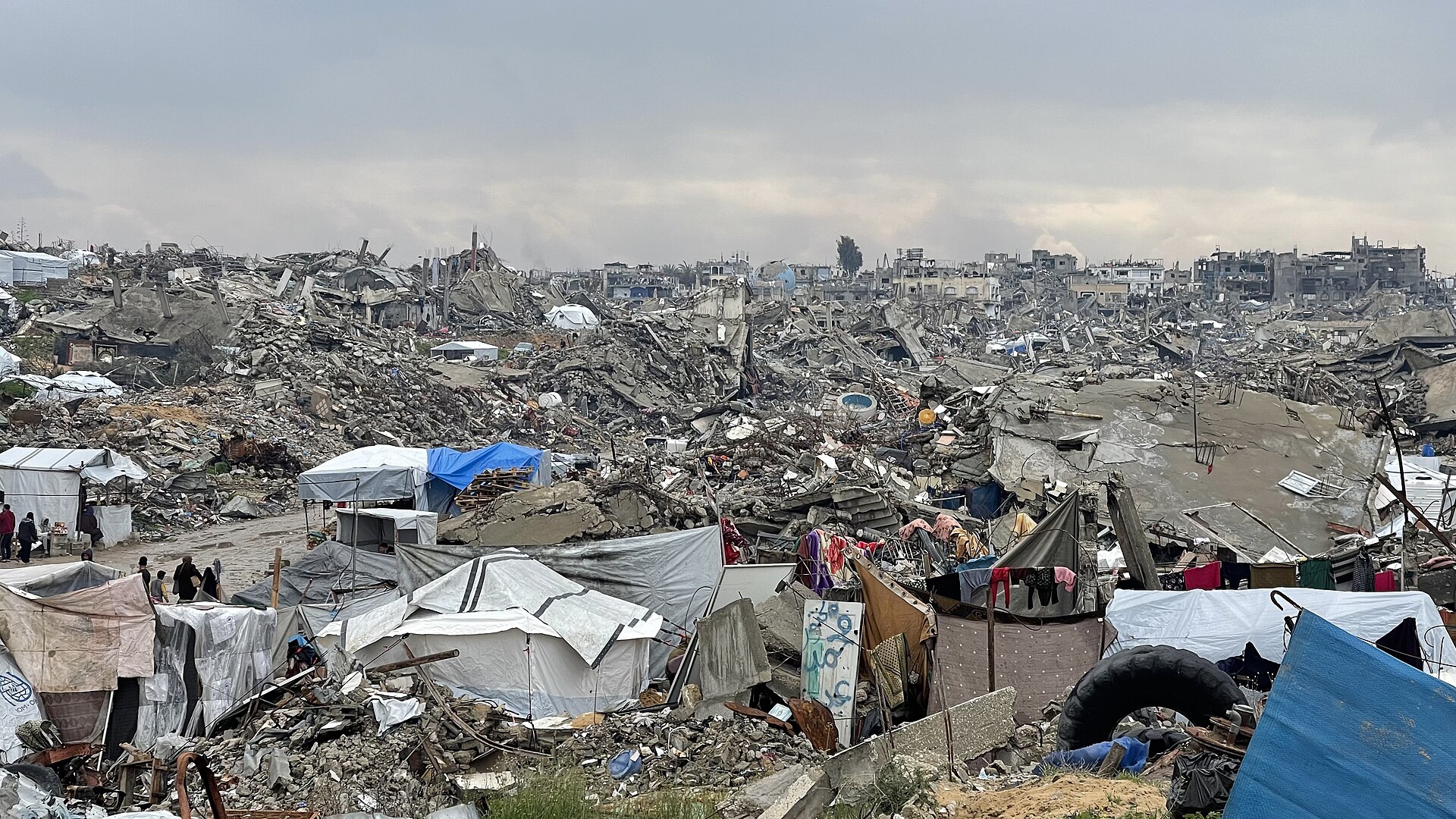
Ruins of Beit Lahia, in the Gaza Strip, destroyed by Israeli bombardments, February 23, 2025, by Jaber Jehad Badwan

Ruins of Beit Lahia, in the Gaza Strip, destroyed by Israeli bombardments, February 23, 2025, by Jaber Jehad Badwan

The Gaza genocide is the ongoing, intentional, and systematic destruction of the Palestinian people in the Gaza Strip carried out by Israel. It encompasses mass killings, the deliberate killing of children (making up 30% or more of those killed), deliberate starvation, infliction of serious bodily and mental harm, and prevention of births. Other acts include blockading, destroying civilian infrastructure, destroying healthcare facilities, killing healthcare workers and aid-seekers, causing mass forced displacement, committing sexual violence, and destroying educational, religious, and cultural sites.

International Recognition

The genocide has been recognized by a United Nations special committee and commission of inquiry, the International Association of Genocide Scholars, multiple human rights groups, state governments, numerous genocide studies and international law scholars, and other experts.

Mass Murder

As of December 2025, more than 70,000 people in Gaza had been killed. The vast majority of the victims were civilians, and around 50% were women and children. Compared to other recent global conflicts, the numbers of known deaths of journalists, humanitarian and health workers, and children are among the highest.

Buried Alive and Uncounted

Thousands more uncounted bodies are thought to be under the rubble of destroyed buildings. A study in the medical journal The Lancet estimated that traumatic injury deaths were undercounted by June 2024, while noting an even larger potential death toll with indirect deaths included. The number of injured is greater than 171,000.

Children Targeted

Gaza has the most child amputees per capita in the world; the Gaza war caused more than 21,000 children to be disabled. In July 2025, 18,457 children were listed among the war dead by health authorities in Gaza, excluding indirect deaths and those buried under rubble.

Starvation Policy

An Israeli blockade heavily contributed to starvation and confirmed famine. In August 2025, about 641,000 people experienced catastrophic levels of food insecurity. Early in the conflict, Israel cut off Gaza’s water and electricity. It later partially restored the water. As of May 2024, 84% of Gaza’s health centers have been destroyed or damaged.

Cultural Annihilation

Israel also destroyed numerous cultural heritage sites, including all 12 of Gaza’s universities, and 80% of its schools.

Ethnic Cleansing

Over 1.9 million Palestinians–85% of Gaza’s population–were forcibly displaced.

Environmental Contamination

Israel’s bombing also caused severe environmental devastation across the territory.

Related Books
book cover


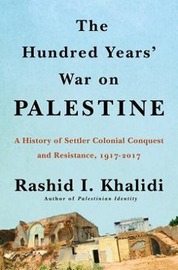
The 100 Years War on Palestine

By Rashid Khalidi
describes the Zionist claim to Palestine in the century spanning 1917-2017 as late settler colonialism and an instrument of British and then later American imperialism, doing so by focusing on a series of six major episodes the author characterizes as ‘declarations of war’ on the Palestinian people. In the book, Khalidi argues that the struggle in Palestine should be understood, not as one between two equal national movements fighting over the same land, but rather as ‘a colonial war waged against the indigenous population, by a variety of parties, to force them to relinquish their homeland to another people against their will.’

Search »

book cover


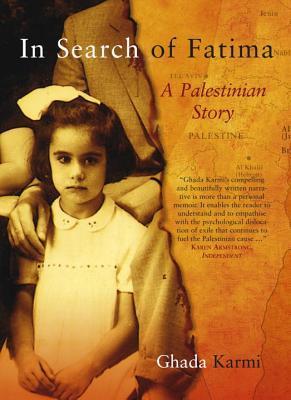
In Search of Fatima: A Palestinian Story

By Ghada Karmi
This widely acclaimed memoir draws you into the life of Ghada Karmi; a childhood spent in Palestine and a life of displacement and struggle in Britain. Here is the human cost of the loss of one’s home and the reshaping of one’s identity written with wit, humour and often heart-breaking insight.

Search »

book cover


On Palestine

By Noam Chomsky and Ilan Pappé
An erudite and nuanced account of Palestine’s history. First published in 2015, it is an essential guide to understanding the shifting situation and is itself a sequel to their acclaimed book, Gaza in Crisis.

Search »

book cover


Gaza in Crisis: Reflections on Israel's War Against the Palestinians

By Noam Chomsky and Ilan Pappé
In Gaza in Crisis, Noam Chomsky and Ilan Pappé, two of the issue’s most insightful and prominent critical voices, survey the fallout from Israel’s conduct in Gaza and place it into the context of Israel’s longstanding occupation of Palestine.

Search »

book cover


I Saw Ramallah

By Mourid Barghouti
Barred from his homeland after the ‘Six-Day War’ in 1967, the poet Mourid Barghouti spent thirty years in exile–shuttling among the world’s cities, yet secure in none of them; separated from his family for years at a time; never certain whether he was a visitor, a refugee, a citizen, or a guest. As he returns home for the first time since the Israeli occupation, Barghouti crosses a wooden bridge over the Jordan River into Ramallah and is unable to recognize the city of his youth. Sifting through memories of the old Palestine as they come up against what he now encounters in this mere ‘idea of Palestine,’ He discovers what it means to be deprived not only of a homeland but of ’the habitual place and status of a person.’

Search »

book cover


Looking for Palestine

By Najla Said
The daughter of the famous intellectual and outspoken Palestinian advocate Edward Said and a sophisticated Lebanese mother, Najla Said grew up in New York City, confused and conflicted about her cultural background and identity. Said knew that her parents identified deeply with their homelands, but growing up in a Manhattan world that was defined largely by class and conformity, she felt unsure about who she was supposed to be, and was often in denial of the differences she sensed between her family and those around her. She may have been born a Palestinian Lebanese American, but Said denied her true roots, even to herself–until, ultimately, the psychological toll of her self-hatred began to threaten her health.

Search »

book cover


Out of Place

By Edward W. Said
From one of the most important intellectuals of our time comes an extraordinary story of exile and a celebration of an irrecoverable past. A fatal medical diagnosis in 1991 convinced Edward Said that he should leave a record of where he was born and spent his childhood, and so with this memoir he rediscovers the lost Arab world of his early years in Palestine, Lebanon, and Egypt.

Search »

book cover


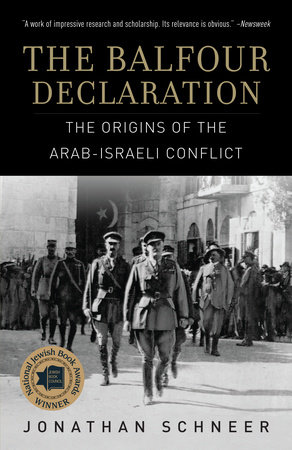
The Balfour Declaration: The Origins of the Arab-Israeli Conflict

By Jonathan Schneer
Publisher: byRandom House Trade Paperbacks
Published: Jan 03, 2012
ISBN: ISBN9780812976038
Issued in London in 1917, the Balfour Declaration was one of the key documents of the twentieth century. It committed Britain to supporting the establishment in Palestine of ‘a National Home for the Jewish people,’ and its reverberations continue to be felt to this day. With new material retrieved from historical archives, Jonathan Schneer recounts in dramatic detail the public and private fight to depopulate and colonize a small strip of land in the Middle East

Website »

book cover


Palestine: Peace Not Apartheid

By Jimmy Carter
Carter argues that Israel’s continued control and construction of illegal settlements has been the primary obstacle to a comprehensive peace agreement in the Middle East. That perspective, coupled with the use of the word Apartheid in the titular phrase ‘Peace Not Apartheid,’ and what critics said were errors and misstatements in the book, sparked an intense backlash. Carter has defended his book and countered that response to it ‘in the real world… has been overwhelmingly positive.‘Later events in the ongoing bombing, dispossession and occupation of Palestinian lands confirm Carter’s conclusions.

Search »

book cover


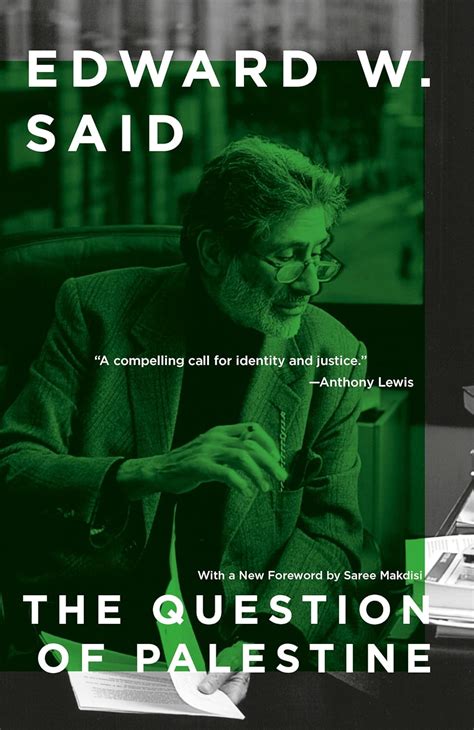
The Question of Palestine

By Edward W. Said
Published: 1979
For a long time, Edward Said was the most high-profile and internationally recognized of Palestinian intellectuals. His untimely death in 2003 was a blow for Palestinian advocacy, especially in the US, where few Palestinian voices are allowed to rise to general public awareness.

Search »

book cover


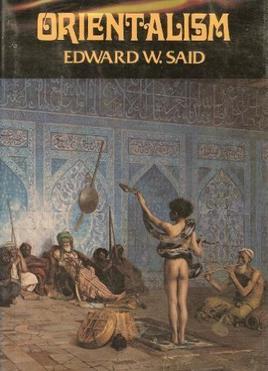
Orientalism

By Edward W. Said
Discusses the situation of the Palestinians, including the history of the Nakba, the dispossession and scattering of the Palestinian diaspora, and the misrepresentation of the Palestinian cause in the Western world. Said also examines the development of Palestinian political movements, particularly the Palestine Liberation Organization led by his then friend, Yasser Arafat, and the changing perceptions of Palestinian groups towards the question of Jewish identity and Israeli statehood.

Search »

People and organizations working on this issue
Local Sonoma County group working to defend the human rights of Palestinians. Join them weekly in Old Courthouse Square, Santa Rosa, CA to protest (Weekly since October of 2023!).
Brings greater awareness to the plight of the Palestinian people and works to end US military support for Israel.
The Middle East Children’s Alliance (MECA) works to protect the rights and improve the lives of children in the Middle East through aid, empowerment and education. In the Middle East, MECA provides humanitarian aid, partners with community organizations to run projects for children, and supports income-generation projects. In the US and internationally, MECA raises awareness about the lives of children in the region and encourages meaningful action.
An award-winning, independent news organization that focuses on progressive politics and human rights issues that the mainstream media miss or decline to cover.
This report provides an overview of U.S. foreign assistance to Israel. It includes a review of past aid programs, data on annual assistance, and analysis of current issues, including a description of key events since the October 7, 2023 Hamas-led attacks against Israel and the ensuing conflicts in Gaza and beyond. The information and foreign aid data in this report are compiled by the Congressional Research Service from a number of resources, including CRS communications with various U.S. government agencies,
Every day, Doctors Without Borders teams deliver emergency medical aid to people in crisis, with humanitarian projects in more than 75 countries.
The Universal Declaration of Human Rights (UDHR) is a milestone document in the history of human rights.
Waging Nonviolence is a nonprofit media organization dedicated to providing original reporting and expert analysis of social movements around the world. With a commitment to accuracy, transparency and editorial independence, they examine today’s most crucial issues by shining a light on those who are organizing for just and peaceful solutions.
The Eisenhower Media Network (EMN) is an organization of expert former military, intelligence, and civilian national security officials. Their experts offer credible, independent, and critical analysis grounded in real-world practitioner experience and years of sustained study and scholarship. EMN seeks to reach broad, cross-partisan audiences in diverse media outlets and among the US population – who increasingly sense that US foreign policy today is not making them, or the world, safer.
CODEPINK is a feminist grassroots organization working to end U.S. warfare and imperialism, support peace and human rights initiatives, and redirect resources into healthcare, education, green jobs and other life-affirming* programs. Join us! Life-affirming programs are investments in social programs that uplift human dignity instead of tear it down. We believe universal health care must include the right to an abortion, access to education must not be determined by income bracket, and housing is a human right.
Published: Jun 18, 2026